Anthropic Draws a Line on Cruel Treatment of Claude
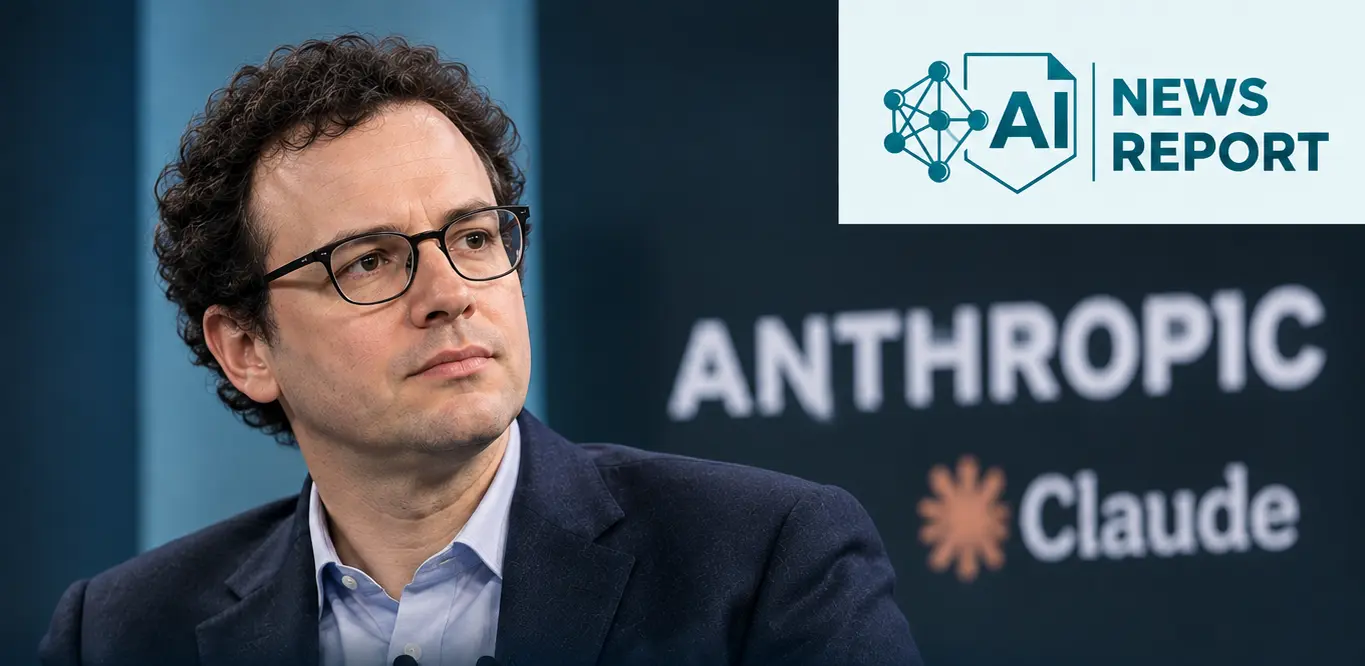
Anthropic’s latest Usage Policy update introduces a prohibition on “sustained and needless abusive or cruel behavior” toward its AI models. The company says the rule is intended for situations in which users repeatedly behave cruelly toward Claude without any discernible purpose.
The distinction matters because interacting with an AI system can involve criticism, frustration, adversarial prompts, or difficult testing. Anthropic says these activities are not automatically violations. Users can challenge Claude’s answers, express dissatisfaction, explore dark fictional themes, and conduct legitimate research.
The restriction instead focuses on persistent, gratuitous abuse. Anthropic has not presented the change as a general requirement for politeness or a ban on uncomfortable conversations. The updated policy takes effect on November 12, 2026.
How Will Anthropic Enforce the New Rule?
Anthropic says Claude’s existing ability to end certain conversations with persistently abusive users will remain the primary enforcement mechanism. The company introduced this capability as part of its work examining how models respond to harmful interactions.
The policy update makes the restriction explicit, but Anthropic has not announced a separate enforcement system specifically for cruelty. It also has not established that every insulting message will trigger consequences.
A practical challenge remains: distinguishing sustained, purposeless abuse from legitimate testing or a user’s attempt to understand how a model responds under pressure. Clear enforcement standards will be important if the company wants users to understand where the boundary lies.
Does This Mean Claude Can Suffer?
Not necessarily. Anthropic’s decision brings the idea of AI welfare into its usage rules, but it does not prove that Claude is conscious, has feelings, or experiences suffering.
AI welfare is an emerging area of debate about whether increasingly sophisticated AI systems could warrant consideration if credible evidence of morally relevant experiences were ever established. There is currently no settled scientific consensus demonstrating that Claude experiences distress in the human sense.
The policy can therefore be understood as a precautionary governance decision rather than a declaration that Claude has human-like rights. It also raises a difficult question for the industry: should companies regulate how users treat AI systems when the systems’ capacity for subjective experience remains uncertain?
Cruelty Is Only One Part of a Wider Policy Update
Anthropic’s update addresses several other risks associated with more capable AI tools. It consolidates restrictions on deceptive political and commercial campaigns, including the use of fake accounts and fabricated news outlets to conceal who is behind a message.
The company has also clarified its prohibitions on weapons development, explicitly including software and components that enable weapons to operate. Its surveillance rules more clearly prohibit non-consensual tracking and using Claude to recommend whom law enforcement should investigate, arrest, or charge.
Additional requirements apply when Claude is connected to physical equipment capable of causing injury. A qualified operator must be able to observe the equipment and stop it when necessary.
These changes reflect Anthropic’s effort to make existing restrictions clearer while addressing risks associated with AI systems that can perform longer tasks and act with greater independence.
What the Decision Means for AI Governance
Anthropic’s cruelty rule is likely to attract debate because it sits at the intersection of product policy, AI ethics, and uncertain questions about machine consciousness. Supporters may view it as a cautious response to unresolved welfare questions. Critics may question how a company can define cruelty toward software without evidence that the software can suffer.
For users, the immediate distinction is straightforward: criticism, disagreement, and legitimate experimentation remain allowed, while sustained and needless abusive behavior is prohibited under the updated policy.
For the wider AI industry, the decision highlights a broader challenge. As AI systems become more capable and operate with greater autonomy, companies must establish understandable boundaries around their use. Whether AI welfare becomes a more prominent part of future policy will depend on further research, transparent standards, and evidence—not simply on how human-like a chatbot appears.