
What Norway Is Actually Proposing
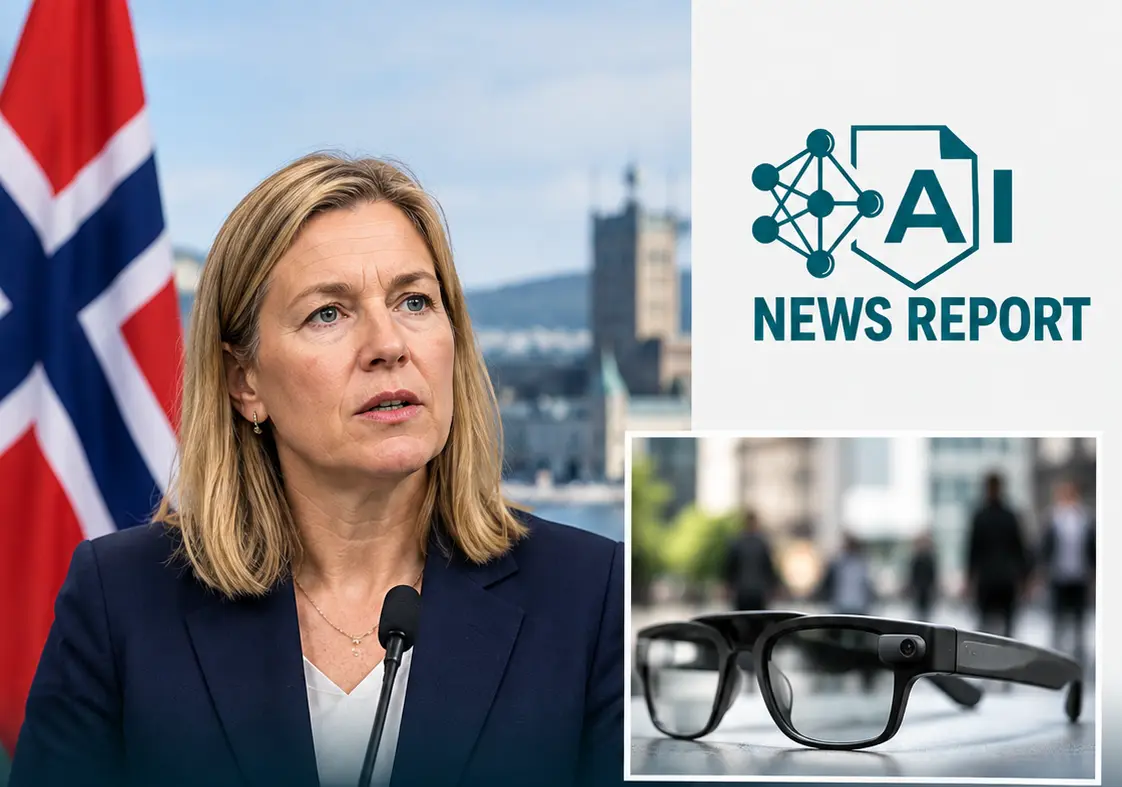
The core of the plan is narrower than headlines might suggest. Rather than banning AI glasses outright, Norway's government wants a temporary, targeted restriction covering specific public spaces where people have a heightened expectation of privacy or where children are commonly present. Minister Micaelsen framed the urgency in personal terms: "I am worried that new, powerful technology is being introduced where people risk being photographed, filmed or audio-recorded without knowing it." The government has been explicit that this is a pause rather than a permanent verdict, intended to buy time for closer study while the technology is still relatively new to the mass market.
Notably, Micaelsen became Norway's digitalization minister only about four weeks before this announcement. Norwegian broadcaster TV 2 reported that his predecessor, Karianne Tung, had not supported a ban, which makes this proposal as much a signal of a leadership and policy shift as it is a response to the technology itself.
Where the Lines Would Be Drawn
A central unresolved question is scope. Norwegian authorities have said a ban could apply specifically to places where privacy is "particularly important," citing healthcare facilities and fitness centers with changing rooms and showers as clear examples. But the government has not yet settled on which devices would actually be covered: it's still weighing whether the rules should apply only to glasses combining a camera and microphone, to glasses combining a camera with AI features specifically, or more broadly to any body-worn device capable of recording video, audio, or both. That ambiguity is deliberate for now, officials want the temporary ban's window to double as a period of investigation, during which an expert group will examine the technology in depth and help shape permanent legislation. The government has also floated carving out exceptions for "socially beneficial uses," potentially allowing vulnerable groups to use the devices even in restricted settings, though what that would look like in practice hasn't been detailed.
The proposal will go before Norway's parliament, the Storting, with officials saying legislation would be brought forward "as soon as possible," though no firm date has been set and nothing is law yet.
Part of a Wider Global Reckoning
Norway isn't acting in isolation. The proposal lands squarely within a broader, increasingly international pushback against camera-equipped wearables, led in practice by Meta's Ray-Ban smart glasses, alongside a growing field of cheaper copycat devices. Some privacy campaigners have taken to calling the category "pervert technology," pointing specifically to fears the devices are being used to covertly film people, including children and women, in settings like changing rooms. In the UK, cinema associations, pub chains and restaurant owners have already independently restricted smart glasses over piracy and privacy concerns, without waiting for national legislation.
The contrast with the United States adds another layer. California's governor vetoed legislation just the week before Norway's announcement that would have penalized using smart glasses to record people without consent in private settings like changing rooms and doctor's offices, making Norway's proposal, several outlets note, a notably more assertive regulatory stance by comparison. Separately, Microsoft announced plans last month to adopt guardrails and privacy standards for its AI in schools, negotiated with the second-largest teachers' union in the US, suggesting the pressure on AI-and-privacy issues is building across multiple fronts simultaneously, not just around wearables.