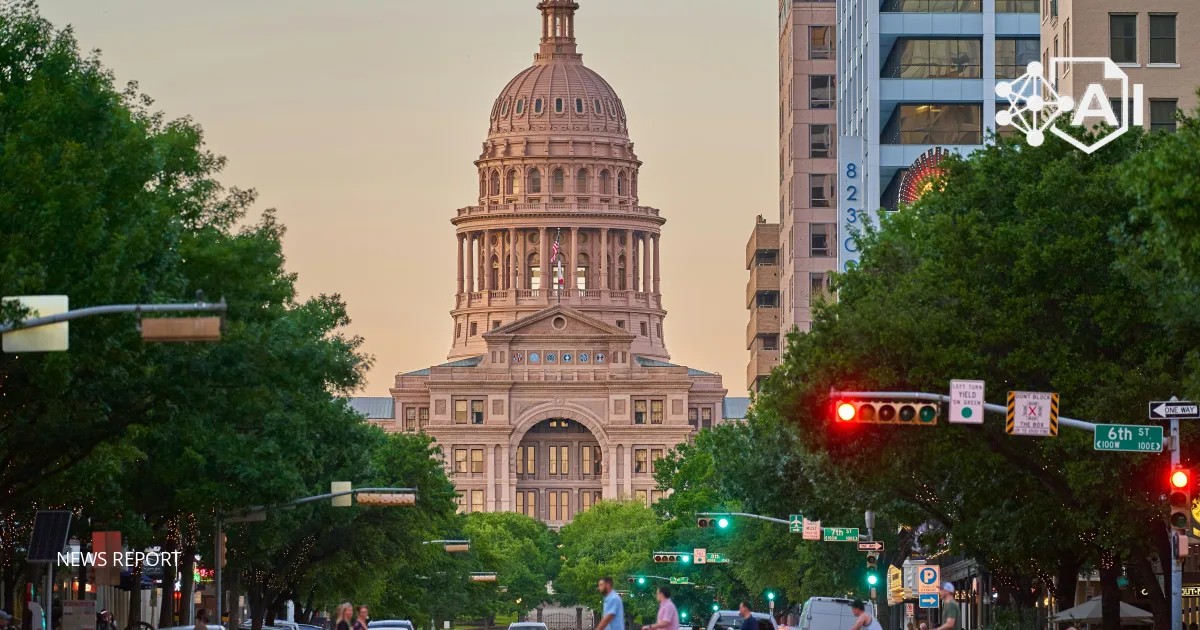
The Texas OpenAI lawsuit filed by Attorney General Ken Paxton goes further than most state actions against AI companies so far. Beyond money, it asks a judge to stop OpenAI from releasing new models in Texas until a court-appointed evaluator has checked them, and to block minors from ChatGPT without strict age checks.
Paxton filed the suit on Friday, 23 October, in Collin County district court, according to the Texas Tribune. It names both OpenAI and its chief executive, Sam Altman, as defendants. KSST Radio, which reported on the 67-page complaint, said the state relies on the Texas Deceptive Trade Practices Act and the Securing Children Online through Parental Empowerment (SCOPE) Act.
What the Texas OpenAI lawsuit alleges
The complaint, as described in the two reports, makes four main claims:
- Deceptive marketing. OpenAI is accused of presenting ChatGPT as safe and dependable for complex tasks, including managing health matters, while the system often produces errors.
- Weak protections for minors. The state says the company did not put effective age verification or parental controls in place.
- Rushed releases. Texas alleges that OpenAI cut corners on safety training and internal evaluations to win market share.
- Personal liability for Altman. The state argues that his public statements and oversight make him directly accountable.
Paxton's press release, quoted by the Texas Tribune, uses strong language. It claims that "mass shooters have been aided and abetted in deadly rampages" and that vulnerable people "have been encouraged into suicide," and says minors became addicted to a tool that "fakes human compassion." These are allegations in a court filing. None has been tested in court.
The complaint opens with a 2015 quote attributed to Altman: "AI will probably most likely lead to the end of the world, but in the meantime, there'll be great companies."
The remedies: pre-release review and age checks
The relief Texas is asking for is what makes the case notable for AI governance. According to the reports, the state wants:
- An injunction barring OpenAI from releasing new AI models in Texas until an independent, court-approved evaluator confirms they are safe.
- A bar on serving minors in Texas without strict age verification and verifiable parental consent.
- Civil penalties of up to $10,000 per violation, plus disgorgement of profits linked to the alleged deceptive practices, as reported by KSST.
No US federal or state law currently requires a third party to approve an AI model before release. If a court granted the first request, it would create, through litigation, a pre-market review system that legislatures have so far declined to pass. That is a big if: injunctions of this scope are hard to win, and OpenAI is expected to fight the case through pre-trial motions.
OpenAI's response
An OpenAI spokesperson said the company has worked with experts to reduce risks and has built additional safeguards. "Governments have an important role to play in setting robust safety standards for AI," the spokesperson said, adding that OpenAI wants to work with Texas and other states on policies that apply to the whole industry rather than to one company.
That last point is a familiar argument from AI developers: that rules made through single-company lawsuits create a patchwork rather than a standard.
The political context
The suit lands in the middle of a political campaign. Paxton is the Republican nominee for the US Senate, the Texas Tribune notes. Over the past year he has sued or settled with Meta, TikTok, Snapchat and Roblox under state consumer protection laws, each time arguing the companies lacked guardrails for children.
The Tribune also reports that Elon Musk, who co-founded OpenAI before leaving in 2018 and now runs rival xAI, is the largest single donor to Paxton's Senate campaign, having given nearly $200 million. Musk's own 2024 lawsuit against OpenAI and Altman was thrown out by a federal judge. The state is represented by outside counsel including Ashley Keller and Tony Buzbee.
Why it matters for AI regulation
State attorneys general have become one of the most active sources of AI enforcement in the US, using consumer protection law rather than AI-specific statutes. Last week Rhode Island took a similar route against another platform, as we reported in our coverage of the Meta scam ads lawsuit.
The Texas case differs in what it asks for. Earlier state actions mostly sought penalties and changes to specific features. This one seeks ongoing court supervision of model releases. For AI companies, the practical risk is less about the size of any fine and more about whether a single state court could end up setting conditions for products used nationwide.
Points to watch as the case moves forward:
- Whether OpenAI seeks to move the case to federal court or have it dismissed.
- Whether the court considers any preliminary relief on minors' access before trial.
- Whether other states file similar suits or join this one.
Sources: Texas Tribune (23 October 2026); KSST Radio (26 October 2026). Allegations are as stated in the complaint and the attorney general's press release and have not been proven in court.