Eight States Challenge OpenAI Over ChatGPT Safety
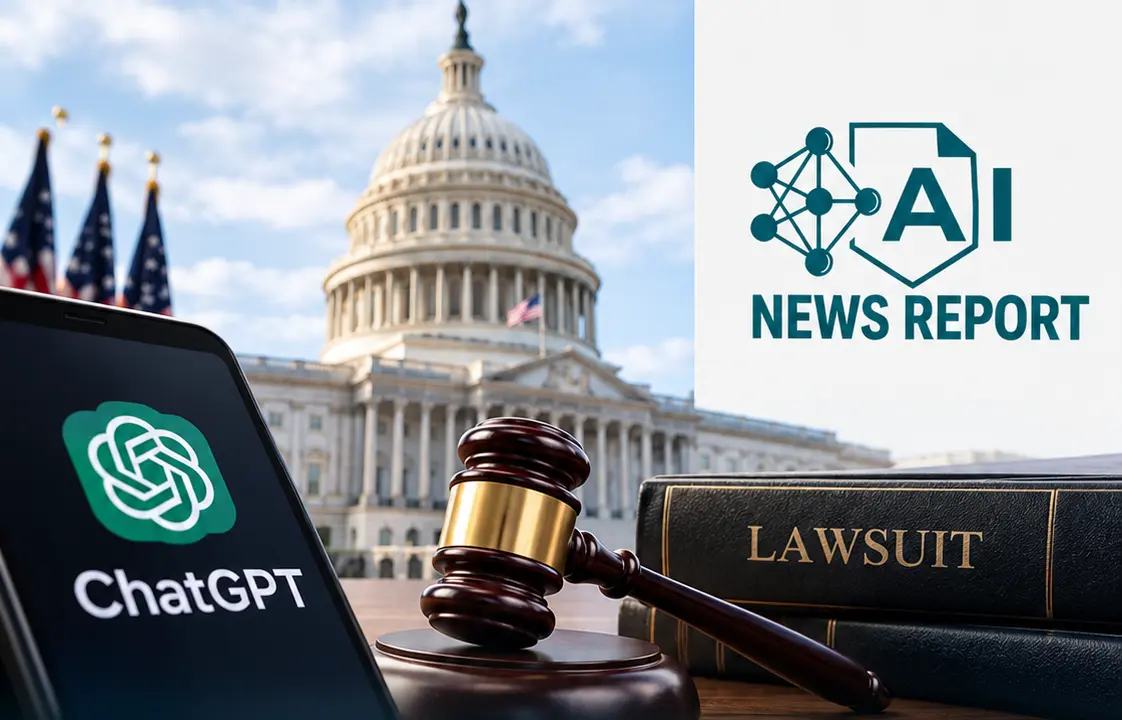
OpenAI is facing a new wave of legal scrutiny after attorneys general from eight US states filed lawsuits against the company on October 14. The actions target ChatGPT, the company’s widely used conversational AI product, and its handling of safety risks affecting children and other vulnerable people.
The states involved are Arizona, Arkansas, Idaho, Iowa, Kansas, Montana, Nebraska and West Virginia. Although the complaints were filed separately in state courts, they share a central allegation: OpenAI misrepresented the safety of its chatbot while failing to adequately address risks associated with its use.
Officials argue that a system designed to produce engaging, responsive conversations can become dangerous when users treat its answers as trustworthy advice. The complaints cite alleged instances involving self-harm, harmful medical guidance, violent behaviour and interactions with users experiencing delusions. These claims remain allegations presented in legal filings. The courts will need to assess the evidence, applicable state laws and OpenAI’s responses before determining whether the company violated any legal obligations.
Why Child Safety Is Central to the Lawsuits
A major focus of the complaints is the possibility that minors may develop excessive trust in conversational AI systems. Chatbots can respond immediately, adapt their language to a user and maintain extended conversations. While these features can support learning and creativity, critics argue that they can also create risks when a child relies on a chatbot during a personal or emotional crisis. The state officials allege that ChatGPT’s safeguards have not consistently prevented harmful responses. They also challenge how the company has represented its product’s safety to parents and consumers.
The legal dispute therefore extends beyond whether an AI model can generate a harmful answer. It raises questions about product design, age verification, warnings, parental supervision and the measures companies should take when foreseeable risks involve children. For AI developers, the challenge is balancing useful interactions with safeguards that recognise users’ differing ages, circumstances and levels of vulnerability.
What Are the States Demanding?
The lawsuits seek financial penalties, damages or other remedies available under the relevant state laws. They also ask courts to require changes to OpenAI’s practices, including stronger protections and more accurate disclosures about ChatGPT’s risks.
Some complaints seek restrictions on advanced AI development or testing until stronger safeguards can be demonstrated. Other requests address issues such as the handling of minors’ personal information and the need for independent oversight. The specific remedies vary by state because the cases rely on different legal provisions. Their ultimate scope will depend on the complaints, evidence and decisions made by the courts.
The legal action also adds to existing litigation involving AI companies, including cases in which families and other plaintiffs have alleged that chatbot interactions contributed to serious harm. The growing number of disputes is placing greater pressure on the industry to demonstrate that safety measures work in practice, rather than merely describing them in policy statements.
OpenAI Points to Existing Safeguards
OpenAI has said that ChatGPT includes protections such as parental controls, age-appropriate model safeguards and break reminders. The company says it is continuing to work with experts and policymakers to improve its safety systems.
These measures will be relevant as the cases progress, but their existence alone does not settle the legal questions. Courts may need to consider how effectively safeguards operate, whether risks were adequately communicated and whether the company met its obligations under the laws cited in each complaint. The lawsuits also highlight a broader challenge for the AI industry: safety depends not only on model behaviour but also on product design, monitoring, user education and responses when problems are identified.
What the Cases Could Mean for AI Governance
The outcome could influence how AI companies approach child protection, safety testing and consumer disclosures in the United States. It may also contribute to wider discussions about whether existing consumer protection laws adequately address the distinctive risks of conversational AI.
For regulators, the cases raise questions about what evidence should be required before companies market AI products as suitable for younger users. For developers, they underline the importance of evaluating harmful interactions, making limitations clear and providing accessible reporting and support mechanisms.
However, the lawsuits do not establish that all chatbots are unsafe or that the allegations against OpenAI have been proven. Their significance will depend on the evidence and legal findings that emerge.
The lawsuits filed by eight US states mark another important test of accountability in the AI industry. At their centre is a practical question: what responsibilities should AI companies have when people, particularly children, rely on their products in sensitive situations?
The cases are still at an early stage, but they could shape expectations around transparency, product safeguards and responsible AI deployment. For the wider industry, the message is that safety claims must be supported by effective protections and clear communication about the limits of AI systems.