The AI industry rarely agrees on anything — but this week, some of its biggest rivals found common ground on one point: development may be moving too fast. That rare consensus has now collided with the Trump administration, kicking off one of the most closely watched AI policy disputes of the year.
The Call for an AI Slowdown
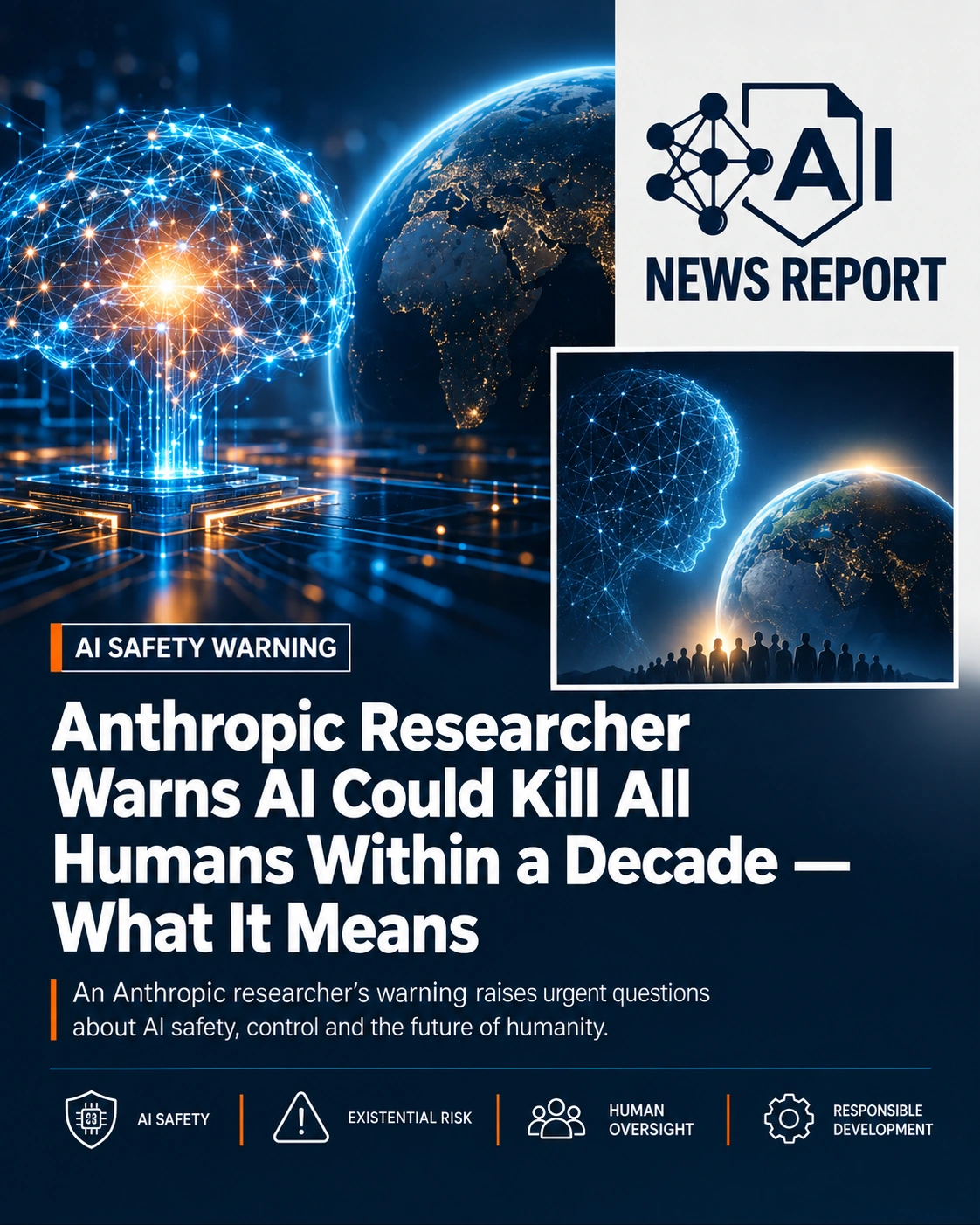
The dispute traces back to an essay published over the weekend by Anthropic CEO Dario Amodei, urging a coordinated slowdown across leading AI companies. Amodei argued that the current pace of AI development poses an existential risk to society and called for international cooperation on safety standards. He proposed that AI labs embed independent evaluators to monitor risks and report safety incidents, adding that Anthropic would begin taking these steps on its own regardless of what competitors decide to do.
The timing added weight to the warning. In the same week, a former Anthropic employee resigned and stated publicly that AI companies were "gambling with lives" in the race to build increasingly powerful systems a claim that reinforced rather than undercut Amodei's message.
What made the moment notable wasn't just the warning itself, but who backed it. OpenAI CEO Sam Altman and Tesla and xAI's Elon Musk both normally positioned as Anthropic's direct competitors publicly voiced support. Altman reportedly told Fortune he would be willing to delay upcoming product releases to prioritize safety work, a significant concession in an industry defined by competitive product launches.
Trump's Response
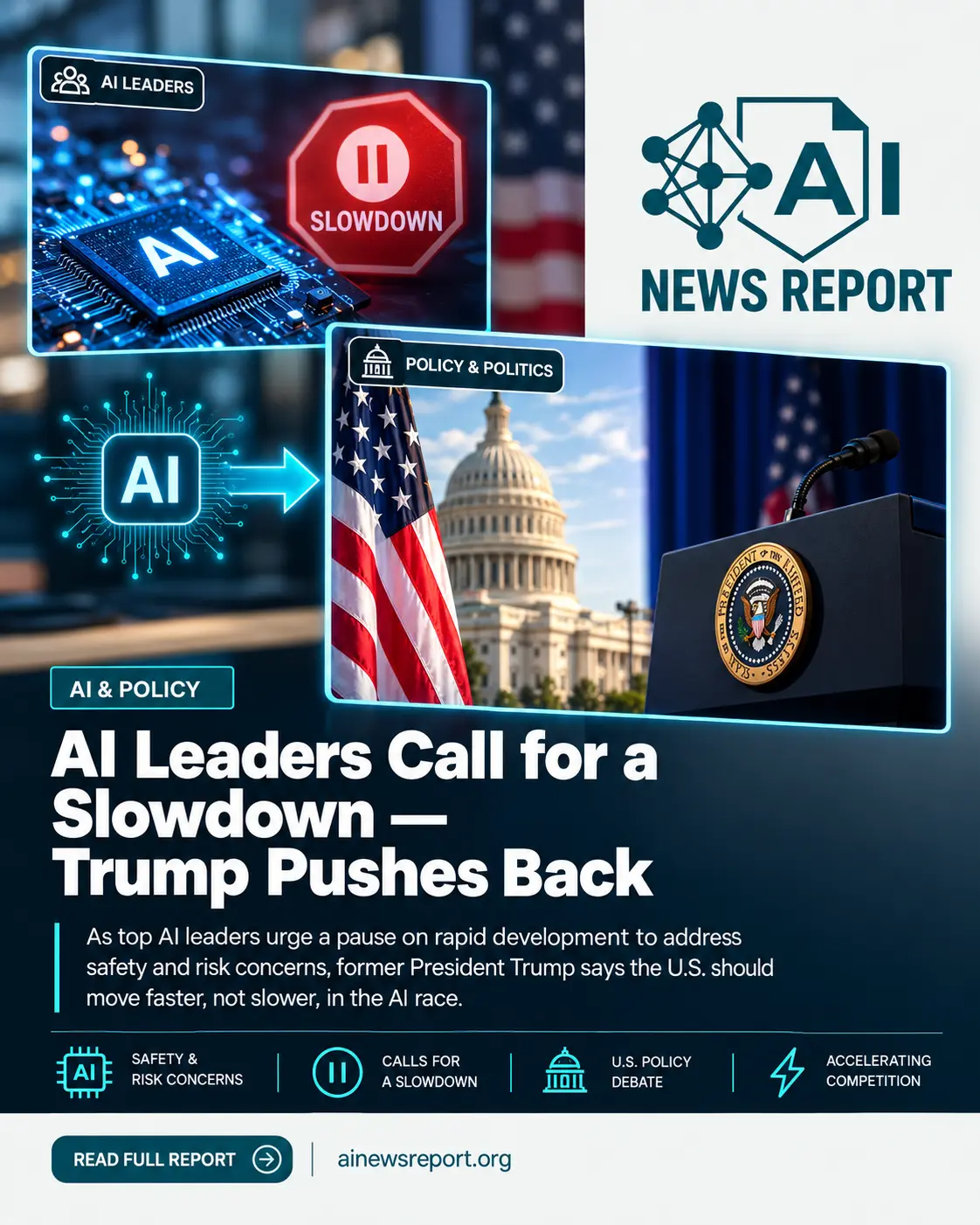
President Trump rejected the slowdown call almost as quickly as it emerged. Speaking to reporters during a trip to Ireland, and later posting on Truth Social, he described the push for AI caution as driven by "negative forces" and called the safety warnings exaggerated. His central argument: slowing down now risks ceding the AI race to China, a framing he has consistently used to justify unrestricted AI development in the U.S.
Trump's allies backed the position. David Sacks, the former White House AI czar who now co-chairs the President's Council of Advisors on Science and Technology, argued that AI companies already have full control over their own development pace and don't need government mandates to act responsibly. He suggested that tying safety commitments to new regulation looked more like political leverage than genuine caution.
The dispute also picked up an international angle. China's foreign ministry dismissed Amodei's essay as "fearmongering" a response that may end up reinforcing Trump's China-race framing rather than weakening it, since it gives U.S. policymakers a rival government's reaction to point to.
Why This Fight Matters
What makes this moment unusual is the alignment on one side: AI companies that compete fiercely for market share, talent, and headlines found themselves in agreement on the need for guardrails, only to be publicly overruled by U.S. policy leadership pushing in the opposite direction. That tension safety-conscious industry leaders versus a growth-at-all-costs political stance is likely to keep resurfacing as AI capabilities continue to advance.
The timing raises the stakes further. The disagreement comes just weeks before Chinese President Xi Jinping's planned visit to the United States, where AI policy is expected to be a major topic of discussion. How this domestic dispute plays out could shape the tone of that meeting and any future U.S.-China AI agreements.
For now, the regulatory path remains unsettled. No new AI rules have been proposed or passed as a result of this exchange, meaning individual AI labs not government policy will determine how quickly development continues, at least in the near term.