A Second Attempt After an Election Reset
The timeline here matters for understanding why this is happening now rather than mattering as “new” news. The underlying political agreement was struck back in June 26, 2025, under then-culture minister Jakob Engel-Schmidt, with broad cross-party support at the time. A first version of the bill was drafted and moved toward public consultation, with civil society, legal experts and stakeholders invited to weigh in over the summer of 2025, and a parliamentary vote was originally expected that autumn. But the process was interrupted: Denmark’s general election was called, ultimately held on March 24, 2026, and the earlier draft lapsed along with the outgoing government’s legislative agenda.
With a new government in place, it fell to the incoming culture minister, Zenia Stampe, to pick the policy back up and reintroduce it. That she did on October 8, nearly a year and a half after the original political agreement was struck. So while the underlying idea isn’t new, and has in fact been circulating in Danish and international media for well over a year, its actual formal introduction into the current parliamentary session genuinely is new, and it now has to pass through the Folketing essentially from scratch, including a fresh committee review, rather than simply picking up where the earlier draft left off.
What the Bill Would Actually Prohibit
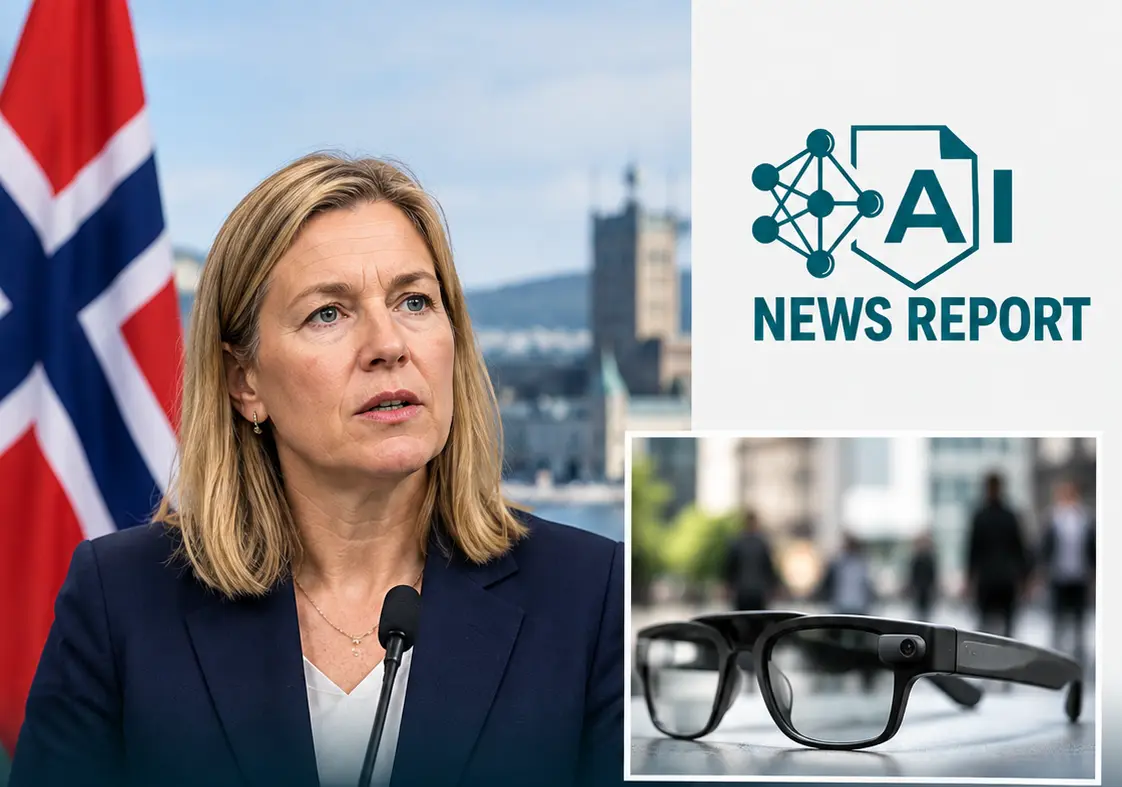
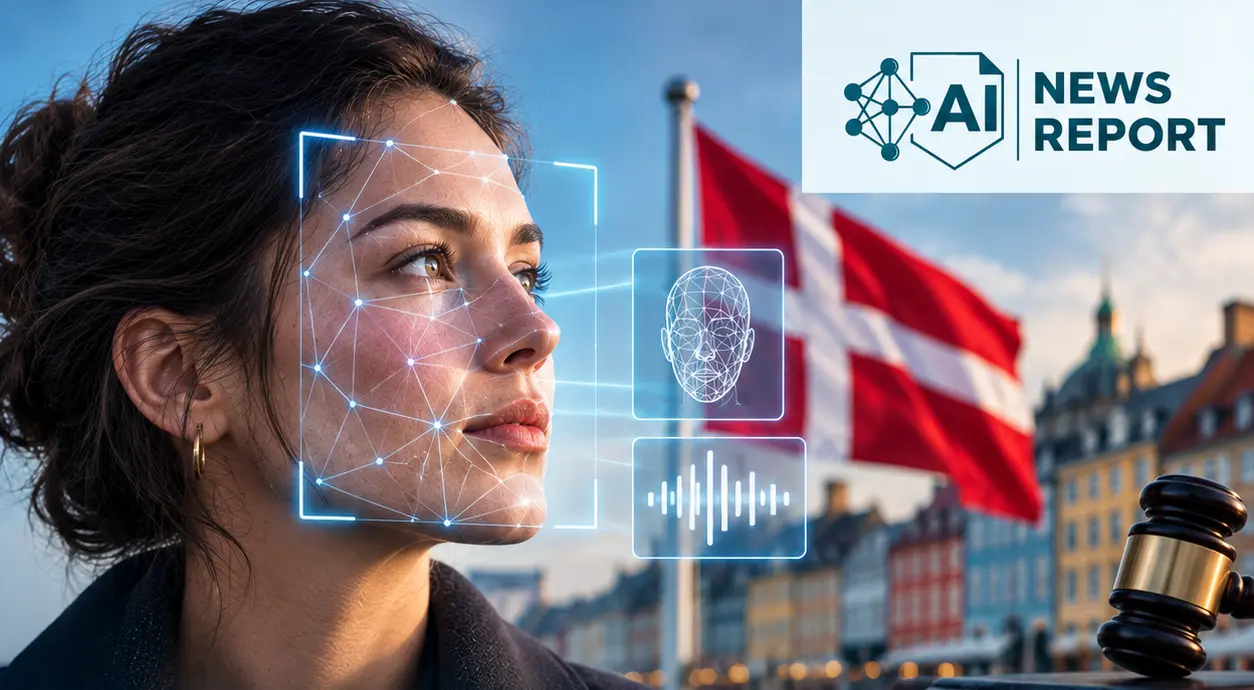
At its core, L 49 would make it unlawful to make available to the public a realistic, digitally generated imitation of someone’s appearance, voice, or movements without that person’s consent. Stampe framed the motivation plainly in a public statement accompanying the bill’s introduction: “With artificial intelligence, you can create manipulated videos and images with just a few clicks and share them on social media.” A central goal, she said, is pressuring major platforms into faster takedowns rather than leaving victims to chase enforcement through slower, more general legal channels: “One of the main goals of the bill is to get the tech giants to take down manipulated content quickly, so that it causes the least possible harm.”
Crucially, the bill’s protections aren’t limited to celebrities, politicians or other public figures, a scope choice that distinguishes it from narrower personality-rights regimes that some other countries rely on. They extend to ordinary citizens and to artists specifically regarding digital imitations of their performances, closing a gap performers have raised concerns about as AI voice-cloning tools have become more widely available. The protection isn’t restricted to Danish nationals either, it covers any person whose likeness is reproduced or shared within Denmark’s jurisdiction, meaning the law’s reach is tied to where content is published and viewed rather than where the person depicted happens to hold citizenship.
Why “Copyright” Is a Useful Shortcut, and Slightly Misleading
The viral social media framing, that Denmark is giving people “copyright over their own face,” captures the public imagination and explains the bill’s basic intent in a single memorable phrase, but it isn’t legally precise. As several legal analyses covering the bill note, it sits inside the Copyright Act but doesn’t create a copyright in the traditional sense, your face isn’t suddenly a creative work you authored, the way a photograph or a song is. What the bill does instead is borrow copyright law’s existing enforcement infrastructure: established standards for what counts as infringement, familiar notice-and-takedown procedures that platforms already have systems to handle, and remedies courts already know how to apply, rather than inventing an entirely new category of law from nothing.
Practically, the most significant shift is around the burden of proof. Once the law is in force, a publisher can no longer simply claim ignorance as a defense, “I didn’t know this was an AI-generated fake” is explicitly insufficient under the bill’s framework. Instead, publishers would need to be able to demonstrate where a disputed voice or face actually originated, effectively requiring a degree of diligence before publishing realistic synthetic content involving a real, identifiable person.
Carve-Outs for Satire, and Where the Lines Blur
The bill includes exceptions for satire, parody, caricature and criticism of power and society, a recognition that political cartoons, impressions and pointed commentary have long played a legitimate role in public discourse and shouldn’t be swept up wholesale in anti-deepfake enforcement. But these exceptions explicitly don’t cover content that amounts to misinformation posing serious danger to someone’s rights, essential interests, life or property. That’s a deliberately narrow carve-out from the carve-out, and it will likely require real judicial interpretation once actual cases start testing the boundary between legitimate satire and harmful fabrication dressed up as commentary, a tension that has proven genuinely difficult to resolve cleanly in other jurisdictions that have attempted similar distinctions.
It’s also worth noting the bill exists alongside, not instead of, other protections already on the books. Separate Danish rules already prohibit sharing sexual deepfakes without consent regardless of labeling or disclosure, meaning L 49 is filling a gap around non-sexual but still harmful or unauthorized imitations, rather than being the country’s only deepfake-related law. The bill’s drafters have also been careful to position L 49 as distinct from the European Union’s AI Act, framing it as addressing a different legal gap, personal likeness and consent, rather than duplicating the AI Act’s broader risk-based regulatory approach to AI systems themselves.
How Denmark’s Approach Compares Internationally
Denmark’s bill doesn’t exist in a vacuum, and comparing it to what other countries have done helps clarify what’s actually novel here. France, for instance, already prohibits sharing AI-generated images or audio depicting someone without their consent in cases where the artificial nature of the content isn’t obvious or expressly disclosed, an approach built more around disclosure and labeling than around a copyright-style ownership framework. Denmark’s method is broader in one sense, it doesn’t hinge on whether the deepfake was labeled as synthetic, consent is required regardless, but narrower in that it’s explicitly tied to the mechanics of copyright law’s enforcement tools rather than creating a standalone statute.
If L 49 passes, Denmark would be positioning itself as something of a test case for whether adapting existing copyright infrastructure is a more practical route to deepfake protection than writing entirely new personality-rights legislation, a question other European governments watching this bill’s progress through committee and eventual vote will likely be weighing for their own policy decisions in the months ahead.
What Happens Next
As of this week, L 49 has only been formally introduced and referred to the Folketing’s Culture and Church Committee, committee review lies ahead, and the bill still needs to pass a parliamentary vote before becoming law. The government’s target is enforcement beginning January 1, 2027, though that timeline depends entirely on how smoothly the bill moves through committee and plenary votes between now and year’s end, and whether amendments proposed during committee review change its scope. One caveat worth flagging for accuracy: one outlet covering the bill noted the Folketing’s own website blocks automated access to bill text, meaning some of the finer technical detail, particularly around penalties for intermediary platforms, is being reconstructed from secondary legal analysis rather than the primary document itself, a nuance worth keeping in mind if more detail is needed as the bill progresses.