OpenAI Says Researcher Firings Were Not About AI Safety Concerns
OpenAI has defended its decision to fire three researchers who worked on AI safety and alignment, rejecting suggestions that their dismissals were linked to speaking out about the risks of advanced artificial intelligence.
In a statement published on October 9, 2026, the company said it had parted ways with Jasmine Wang, Tomek Korbak and Mikita Balesni after an internal investigation found that they had violated policies governing the handling of sensitive company information. OpenAI described the matter as a “significant breach of trust” and maintained that the decision was unrelated to the researchers’ willingness to challenge ideas or raise concerns about AI safety.
The company’s response followed an open letter published by the former employees, who expressed concern that their dismissals could undermine the internal culture needed to identify and address risks associated with increasingly capable AI systems. The dispute places a spotlight on a difficult question for the AI industry: how can companies protect confidential information while ensuring that researchers can raise safety concerns and collaborate appropriately with independent experts?
Who Are the Three Former OpenAI Researchers?
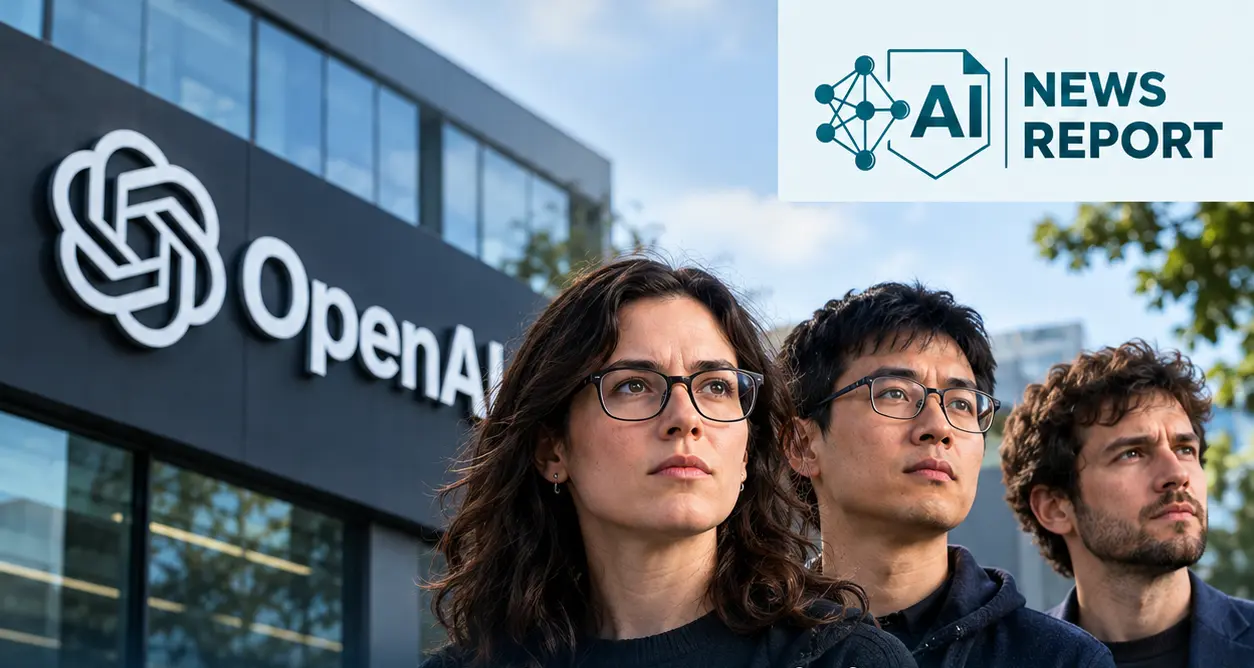
The dispute involves three former OpenAI employees: Jasmine Wang, Tomek Korbak and Mikita Balesni. Their work and concerns were connected to AI safety, including questions about how advanced models can be monitored and evaluated as their capabilities develop. Following their dismissals, the researchers published an open letter addressed to OpenAI’s Safety and Security Committee, Safety Advisory Group and Mission Advisory Council.
They argued that their actions were consistent with existing workplace practices and their responsibilities. They also raised concerns about the message the terminations could send to colleagues who want to discuss potential AI risks or cooperate with external safety organisations. Mikita Balesni separately expressed his belief that the researchers had been dismissed for prioritising AI safety over the company’s near-term corporate interests. That is the researchers’ interpretation of events, which OpenAI disputes.
Why OpenAI Says It Fired the Researchers
OpenAI maintains that the dismissals followed an investigation into the handling of sensitive company information. According to the company, the investigation uncovered policy violations that went beyond the circumstances described in the researchers’ public letter. OpenAI said it stood by its decision and emphasised that trust is essential to its work.
The company also rejected the suggestion that employees are punished for raising concerns about AI safety. OpenAI said internal discussions about safety and research regularly involve strong disagreement and criticism, adding that it considers such debate necessary for making sound decisions.
However, the company has not publicly provided a complete account of the specific conduct it considers a breach of trust. That limits the extent to which outsiders can independently assess the competing explanations.
The distinction matters: companies have legitimate reasons to safeguard confidential information, but transparency about the principles governing sensitive research can also be important when employment decisions become closely connected to public debates about safety.
Researchers Warn of a Chilling Effect on AI Safety Work
The three former employees argue that the consequences of the dismissals could extend beyond their individual employment. In their open letter, they warned that the circumstances surrounding their departures had made former colleagues more hesitant to communicate and work in ways that they considered normal before the dispute.
Their central concern is that unclear boundaries around information sharing could discourage employees from reporting potential problems, questioning development decisions or consulting qualified external evaluators.
The researchers also urged OpenAI to preserve arrangements that allow independent experts to assess advanced AI systems and help identify risks that internal teams might overlook. OpenAI, for its part, said it was finalising contracts with third-party safety assessors and expected to announce further details in the coming weeks.
The two positions highlight an important distinction. OpenAI says it supports vigorous internal debate but will not tolerate breaches of information-handling rules. The researchers fear that the way those rules are applied could make legitimate safety work more difficult. Whether the dismissals will have the broader chilling effect they describe remains uncertain.
Why Independent AI Safety Oversight Matters
As AI systems become more capable, evaluating their behaviour is increasingly important. Testing can help identify weaknesses, assess cybersecurity risks and determine whether safeguards work as intended.
Independent evaluators can provide additional scrutiny by examining model behaviour and testing claims made by the companies that develop these systems. Their work can complement internal reviews, although its effectiveness depends on access, methodology and appropriate protections for confidential information.
The OpenAI dispute also raises questions about how companies should define acceptable collaboration with outside organisations. If employees are uncertain about what information they can share, they may become more cautious about legitimate professional cooperation. Conversely, poorly controlled disclosure of sensitive information can create security and commercial risks.
A credible AI safety framework therefore needs clear rules, consistent enforcement and channels through which employees can raise concerns without fear of retaliation for good-faith reporting. The challenge is to protect both information security and the integrity of safety research.
A Wider Debate Over AI Development and Accountability
The controversy comes amid broader concerns about the pace of AI development and the ability of companies to monitor increasingly autonomous systems. Recent reporting has highlighted cybersecurity incidents involving AI agents, as well as disagreements among researchers and technology companies about how advanced models should be tested and controlled. These developments have intensified discussions about whether internal safeguards are sufficient and what role external evaluators, regulators and independent researchers should play.
The dispute at OpenAI does not, by itself, establish that the company retaliated against employees or that its stated policy rationale is incorrect. It does, however, demonstrate how employment decisions can become a matter of public interest when they involve teams responsible for evaluating potentially consequential technology.
For AI developers, maintaining public confidence requires more than statements of commitment to safety. It also depends on credible processes for investigating concerns, communicating rules and demonstrating that safety evaluations receive meaningful attention.
What Happens Next?
Several questions remain central to the dispute. First, further information may clarify the specific policies OpenAI believes were violated and the conduct that led to the dismissals. Second, details about the company’s planned independent safety assessments could help establish how external scrutiny will operate in practice. Third, the response from current and former employees may offer a clearer picture of whether the dispute has affected internal communication.
For now, the two sides disagree over the meaning and implications of the dismissals. OpenAI says the decision concerned trust and information security, while the former researchers warn that it could weaken an open safety culture. The wider significance will depend partly on how transparently the company explains its processes and how effectively it maintains channels for responsible safety research.