Building a Platform Around Phone Numbers, Not Technical Skill
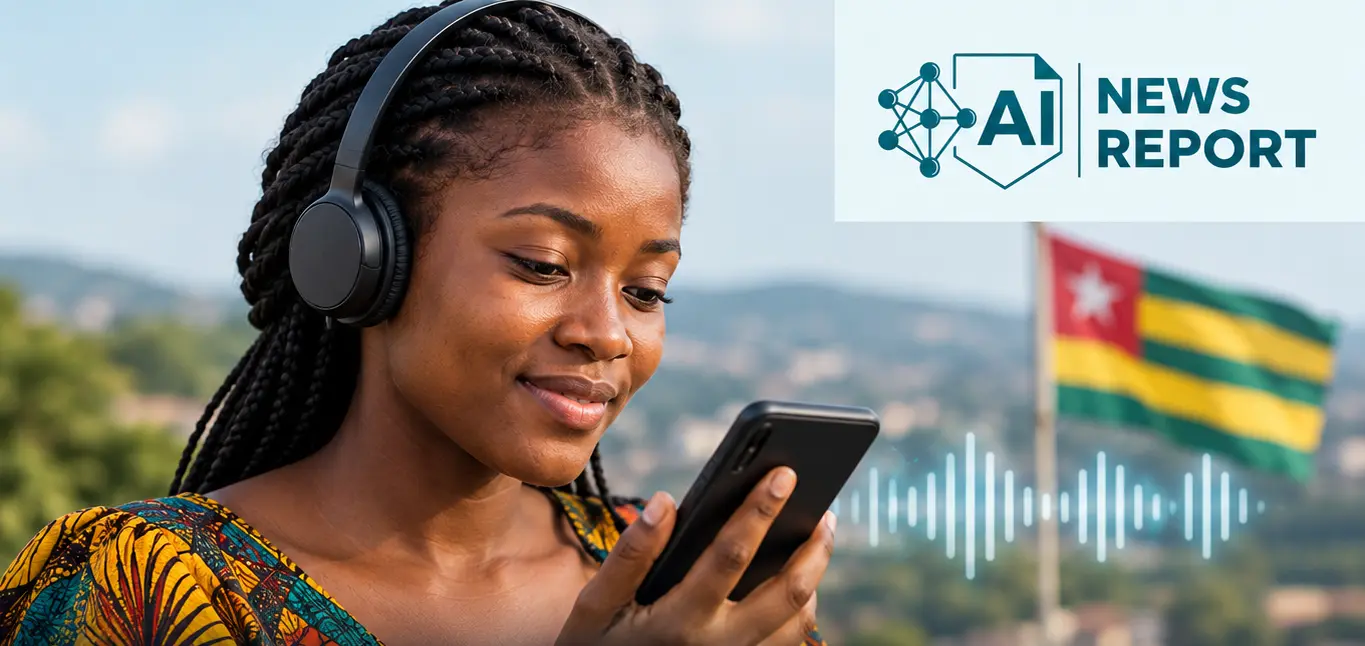
The mechanics are deliberately low-barrier. According to Togo’s digital transformation ministry, a citizen can create an account with nothing more than a phone number, then specify which local languages they speak, read, or write. From there, the platform assigns tasks matched to that person’s skills: reading sentences aloud to generate voice recordings, transcribing audio clips into text, translating written material, or checking and verifying contributions submitted by other participants. It’s a structure built around everyday literacy and oral fluency rather than technical skill, which matters given how much of the country’s linguistic knowledge lives in speech rather than existing text or digital archives.
The ministry framed the core problem plainly: “In order for a citizen to be able to communicate with a digital public service in his or her language in the future, the Intelligence Artificielle must learn to understand it.” That’s a notably practical framing, this isn’t pitched as a prestige AI project, but as infrastructure for things as basic as a citizen being able to interact with health or justice services in the language they actually speak at home, rather than in French.
Closing the Gap for Communities Without Internet Access
One detail stands out as a genuine design choice rather than an afterthought: field agents will physically collect contributions in localities where phone or internet access remains limited. That matters enormously for a project explicitly about linguistic inclusion, if the data-collection method itself excluded people in low-connectivity areas, the resulting AI systems would likely still underrepresent exactly the populations the project claims to serve. Building that offline collection channel in from the start suggests the government is treating digital access gaps as a problem to engineer around, not a limitation to accept.
Inside the Government Team Driving the Initiative
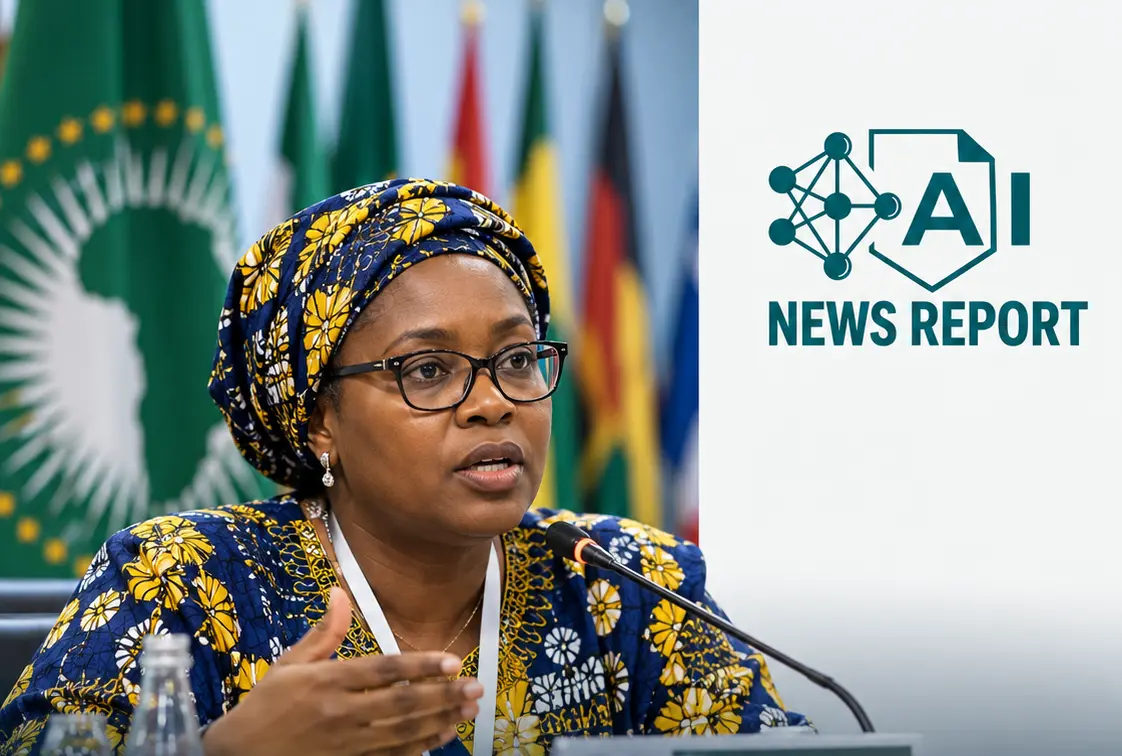
The launch event, held in Lomé, brought together several senior officials beyond Minister Lawson, including Colonel Hodabalo Awate, Minister of Territorial Administration and Customary Affairs, Isaac Tchiakpe, Minister of Culture and Tourism, and Professor Gado Tchangbedji, Minister Delegate for Higher Education and Scientific Research, signaling this is being treated as a cross-government priority rather than a single ministry’s side project.
Once collected, the data doesn’t go straight into an AI model. It passes through validation by linguists and local communities first, a quality-control step meant to catch errors or inconsistencies before the material is used for training. From there, the Togo AI Lab, working alongside students, researchers and developers, will be responsible for actually putting the resources to use, including through competitions hosted on Zindi, a data-science platform already active across the African tech ecosystem.
Why This Fits the World Bank’s “Adapt, Don’t Build” Argument
Togo’s initiative arrives at a notable moment in the broader conversation about Africa’s place in the global AI landscape. The World Bank’s biannual Economic Update, published this week, argues that most African economies should prioritize adopting and adapting existing AI tools rather than attempting to build frontier models from scratch, which it frames as an expensive use of limited resources relative to the return. Togo’s language initiative is close to a textbook example of that “adapt” strategy in action: rather than competing to build a bigger model, the country is working to make existing AI technology actually usable for its own population in its own languages.
The scale of the broader gap makes this kind of grounded, practical approach easier to understand. Global AI investment is projected to reach roughly $2 trillion this year, according to Gartner, yet Africa, home to 18% of the world’s population, holds just 0.6% of global data-center capacity, with only about 5% of that equipped for advanced AI workloads. Against that backdrop, the African Development Bank’s estimate that inclusive AI adoption could add up to $1 trillion to the continent’s GDP by 2035 depends less on which country builds the most powerful model, and more on whether projects like Togo’s succeed in making the technology genuinely useful to the people meant to benefit from it.